


We are all part of nature — every living thing. From humans and land animals to birds and fish, insects and plants, we are all connected. We all depend on ecological connectivity to thrive.
Across Canada, countless species struggle to access the basic necessities of life because of human disruption. Urban and suburban landscapes are highly fragmented and more vulnerable to environmental stressors. We need to work together to restore, maintain and improve connections that allow wildlife to move freely within and between their critical habitats.
Learn how you can join the movement toward greater ecological connectivity.
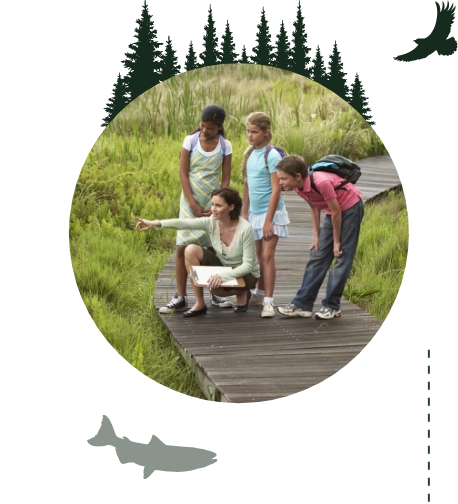
How can you help keep wildlife connected?
- Check out the map to see if you live within one of the priority areas for ecological corridors. If you do, get curious about what is being done in your region.
- Observe how animals are moving in your community. Are there places where animals such as deer or turtles often get struck by cars? Reach out to your municipality to find solutions that reduce roadkill and improve public safety.
- Review the urban master plan in your community. Are your leaders addressing ecological connectivity? Join others and support or start a project to connect wild spaces and support ecological connectivity.
- Learn more about Parks Canada’s National Program for Ecological Corridors and how to find funding to support ecological corridor initiatives.
- Where possible, remove barriers to free movement such as fences from your own property and in your community.
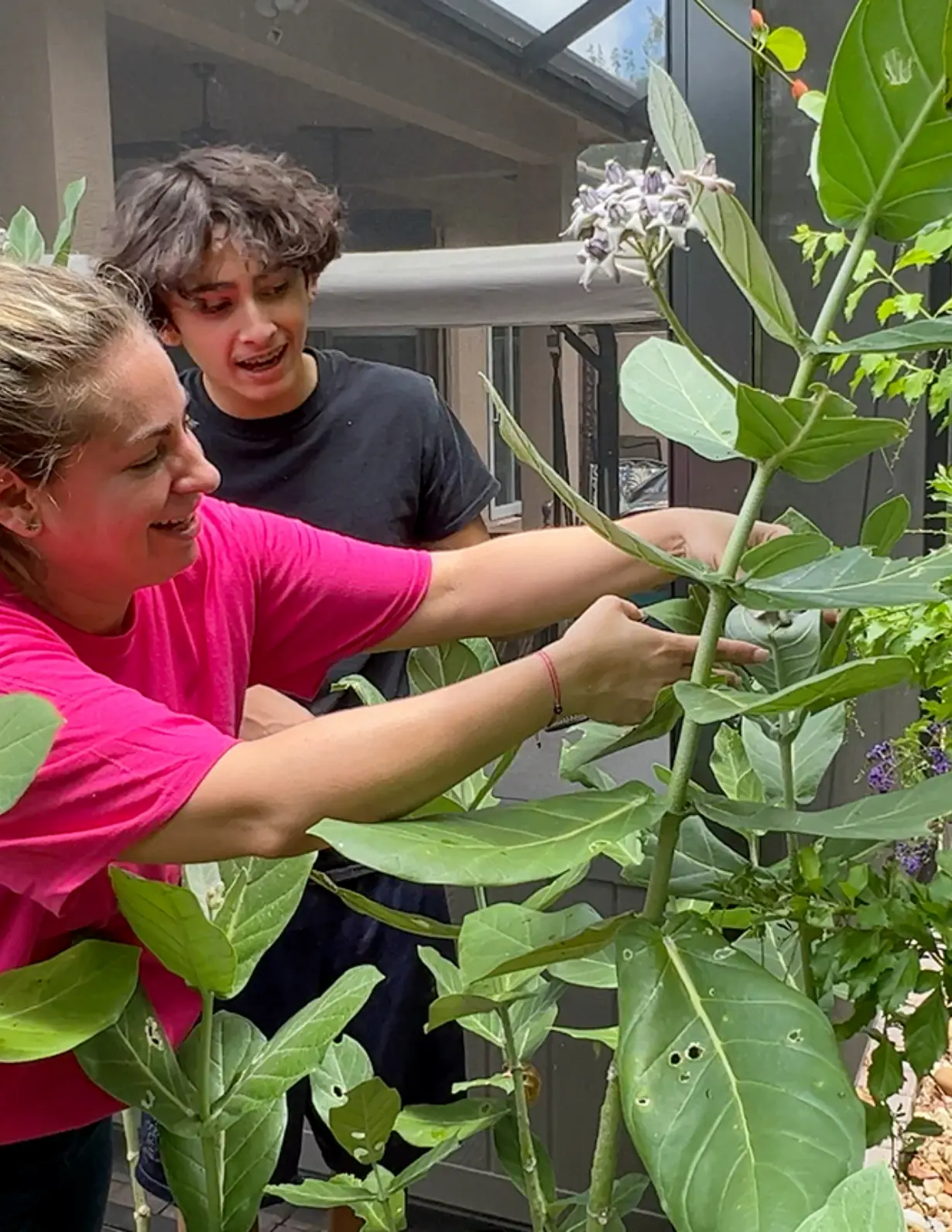
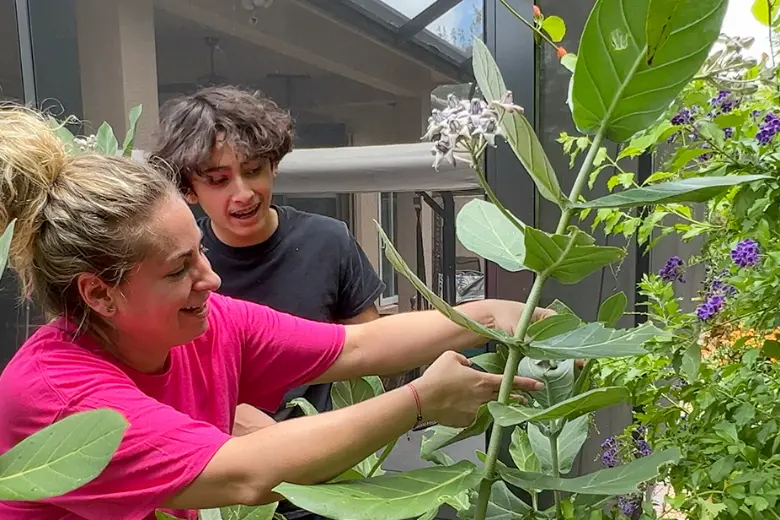
- Small actions help! Plant a garden for pollinators, help a turtle cross the road, and bird-proof your windows to avoid bird death by collision.
Get Inspired
Check out these examples of how people are working to restore and enhance ecological connectivity in their regions. And read Canadian Geographic stories about ecological corridors.
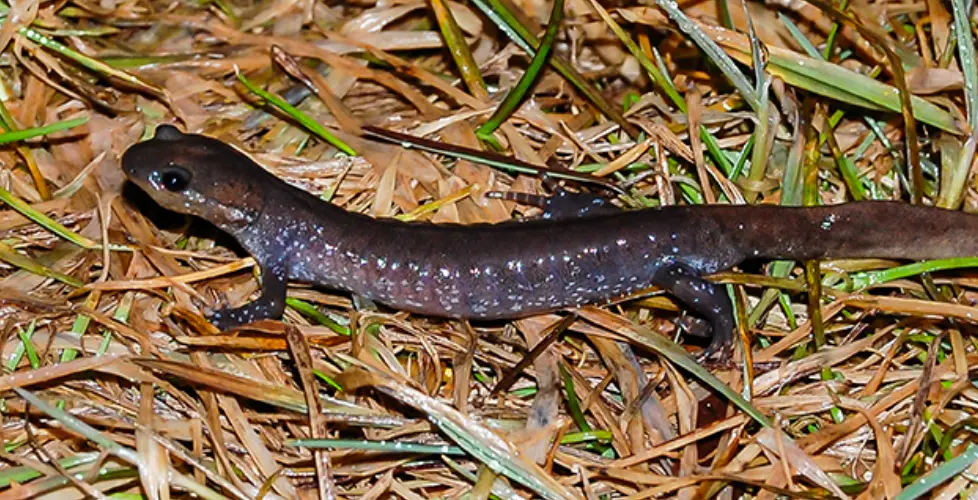
Salamander Crossing
The city of Richmond Hill is home to one of the few known populations of endangered Jefferson salamanders in York Region, Ontario. York Region works in partnership with the Toronto and Region Conservation Authority to help ensure their survival. Each year during the fall and spring, Jefferson salamanders cross Stouffville Road to access their breeding grounds. They make the passage at night and only when it’s raining. When Jefferson salamanders are expected to cross, there are intermittent road closures to ensure their safe passage.
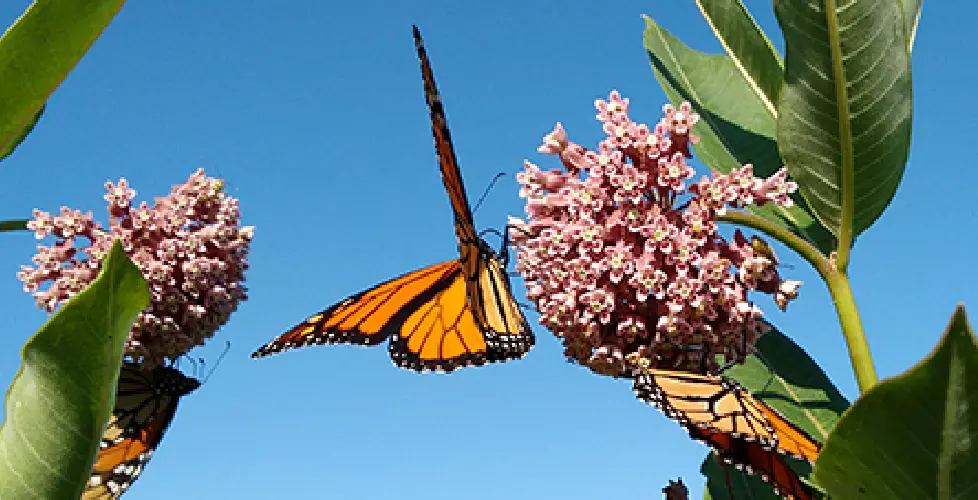
Monarch Relay Race
Wildlife on land aren’t the only ones that rely on habitat connectivity. Every spring and summer, monarch butterflies migrate from Mexico to Canada. The meadow around the ruins of Fort St. Joseph National Historic Site in Ontario provides a place for the endangered monarchs to rest and feed on native wildflowers, like common milkweed. Conservation staff are working to protect the meadow at Fort St. Joseph — an important stepping stone along this epic journey.
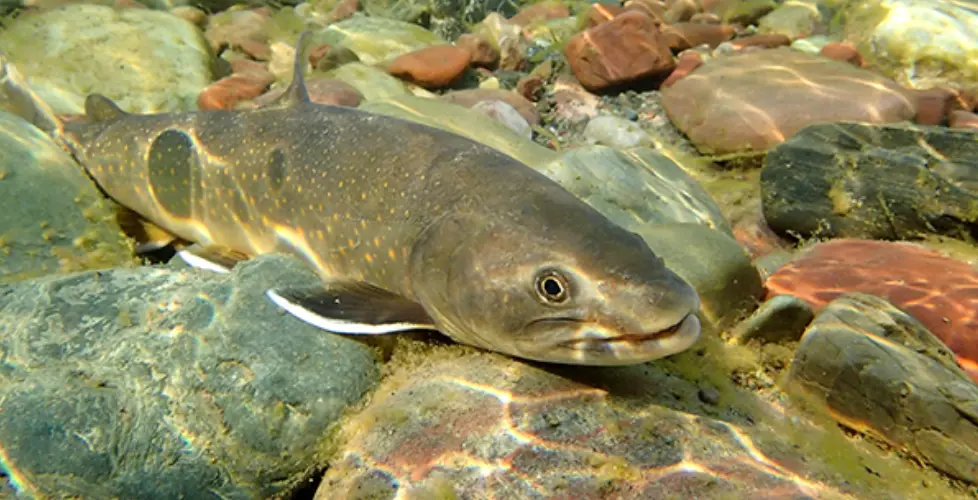
Go With the Flow
Maintaining connections in aquatic ecosystems is also important. In 1941, the Minnewanka Dam was built on the Cascade River in Alberta. When the river’s once mighty flow dwindled into a trickling creek, endangered bull trout and westslope cutthroat trout disappeared. In 2010, staff at Banff National Park and partners began restoring Cascade Creek. By repairing nine kilometres of stream habitat, they restored natural flow and downstream connectivity. Cascade Creek is now set to become a refuge for native bull trout and westslope cutthroat trout.
Clearing the Way
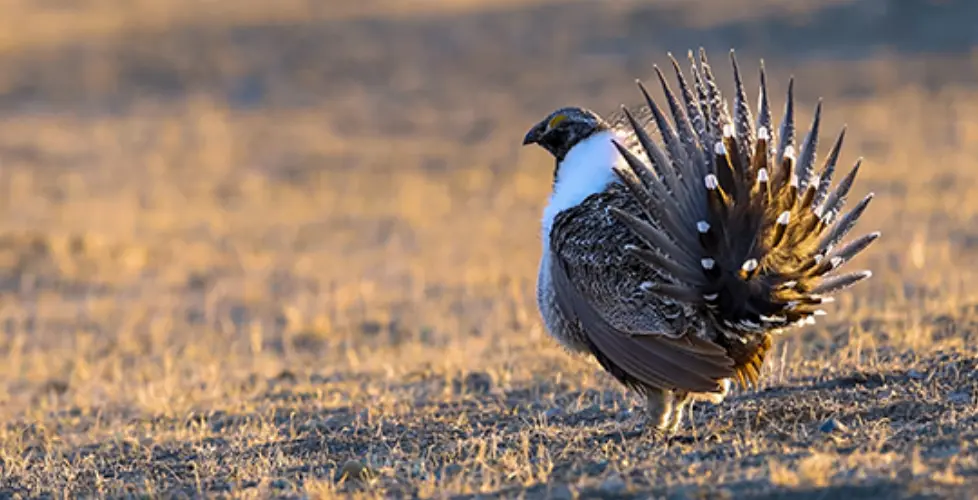
Getting rid of clutter can be therapeutic. It can also help wildlife recover if that stuff is obstructing healthy habitat. Such is the case for the greater sage-grouse at Grasslands National Park in Saskatchewan. This endangered bird is threatened by structures like overhead power lines and fences, which offer convenient perch sites for owls and hawks that prey on the grouse. Fences can also be a direct source of mortality for the grouse, which sometimes fly into them. To help, Parks Canada partnered with SaskPower to remove above-ground service poles and bury almost 13 kilometres of power lines. Conservation staff removed over 75 kilometres of fences and marked over 191 kilometres of fencing to make it more visible to the birds. Thanks to this work, threats from predators and collisions have been reduced.
Tidying up Bathurst Island
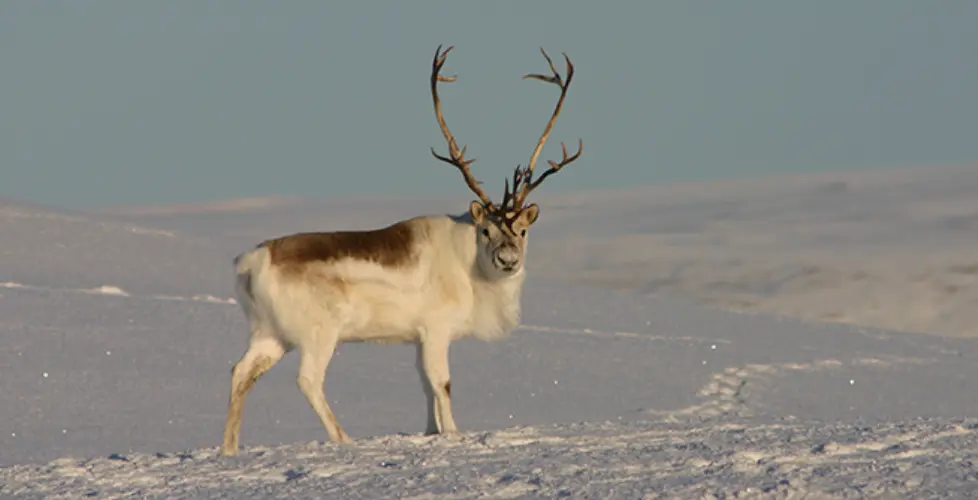
Caribou are a vital source of food, clothing and tools for Inuit. Yet oil and gas exploration in the 1970s and 1980s left Bathurst Island in Nunavut with a legacy of industrial waste. When Qausuittuq National Park was formed, Parks Canada and local Inuit noted something important: the waste was obstructing the natural habitat of the endangered Peary caribou. After many years of cleanup, the land was healed and became more usable for the caribou and Inuit.
Room to Roam: Yellowstone to Yukon Conservation Initiative
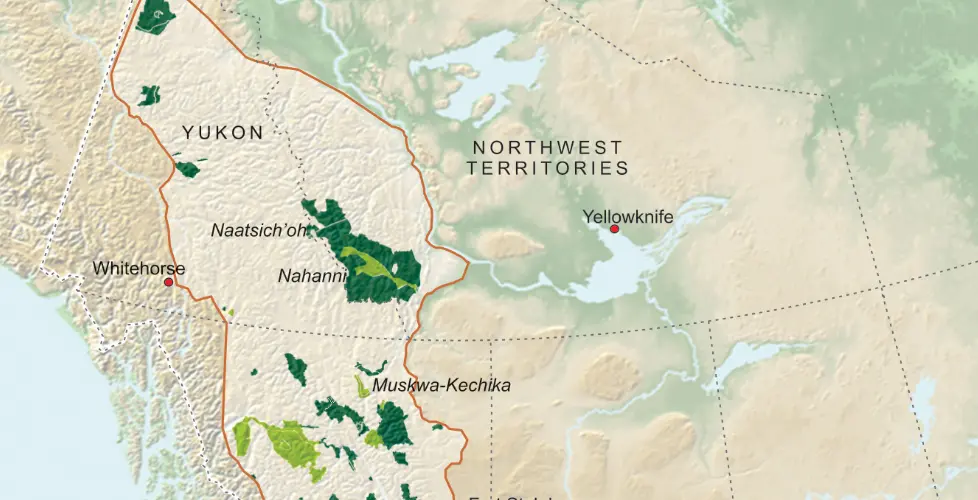
Spanning an incredible 12,000 square kilometres across the Canada-U.S. border, the Yellowstone to Yukon Conservation Initiative identifies critical habitats and works to mitigate threats to wildlife connectivity. More than 200 cooperating agencies, organizations and businesses on both sides of the border have made Y2Y the largest landscape-scale conservation effort in North America. Since 1993, their collective actions have resulted in a remarkable 80 per cent increase in key protected area growth. Y2Y’s vast network helps to ensure that wildlife has room to roam, ecosystems remain resilient and nature continues to thrive for generations to come.
