


What is Ecological Connectivity

The Big Picture

All life on Earth shares the primal and instinctual need to find food, water and shelter and to migrate, reproduce and adapt to ever-changing environments. It’s time we respect a “right of passage” for all species — by ensuring ecological connectivity.

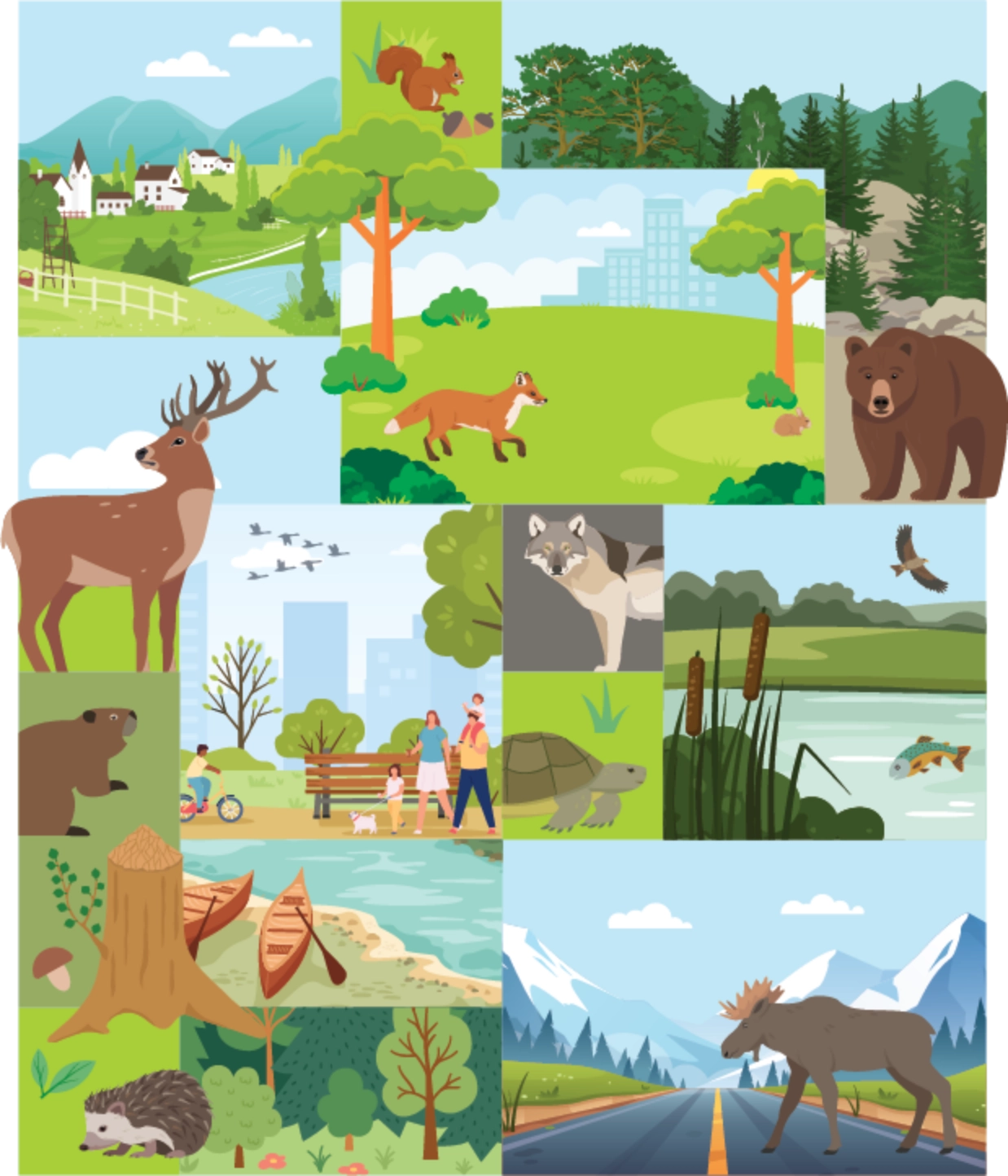
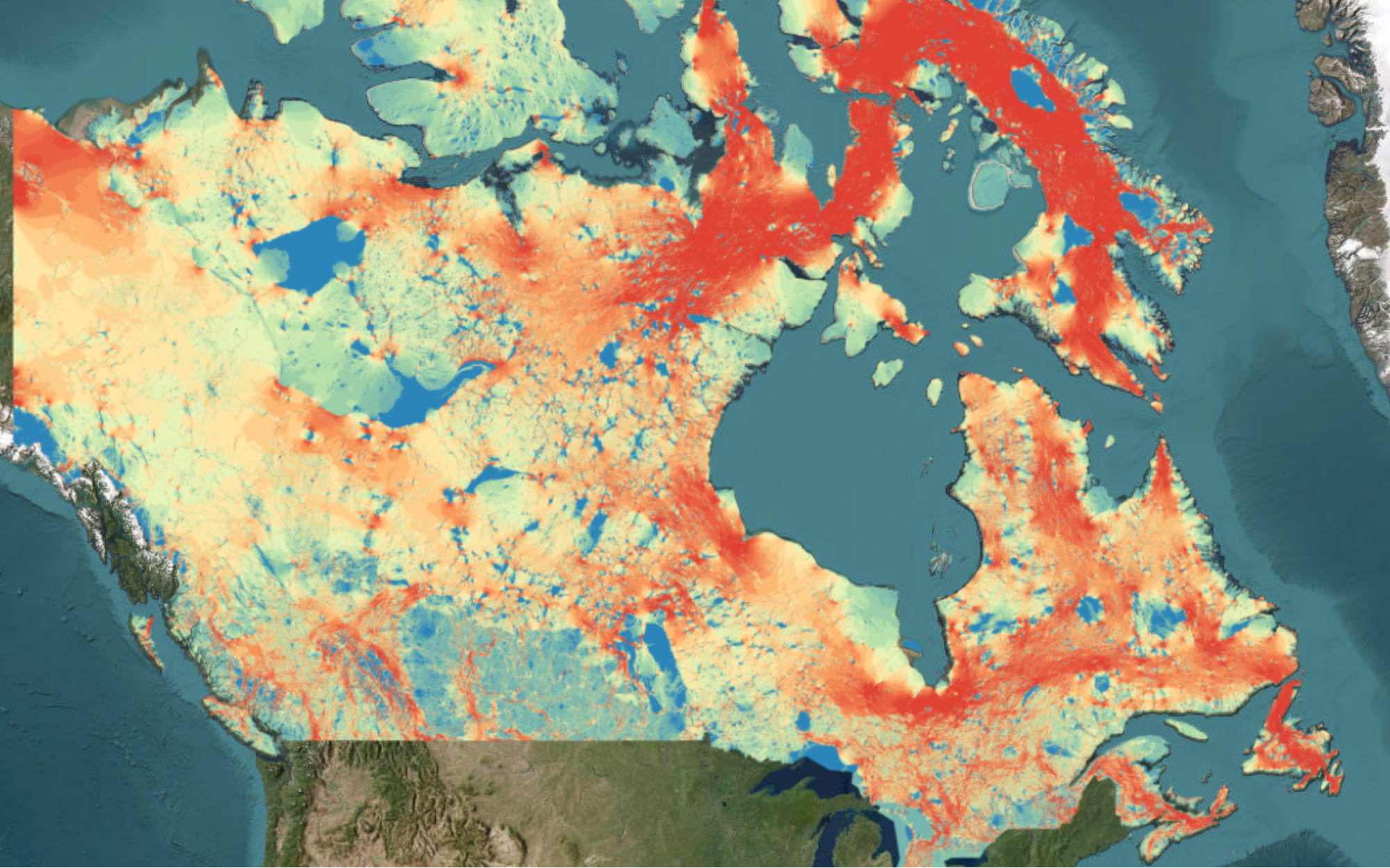
When a landscape has a high degree of ecological connectivity, species move effortlessly with the seasons, and ecosystems are more resilient to big-picture changes. This seamless flow of life is essential for the survival of animals and plant species and is crucial to ensuring genetic diversity. Ecological connectivity fuels the planet’s biodiversity and keeps nature’s balance intact.

As we’ve seen, the rhythm of life begins to falter when pieces of intact habitat are altered, lost or disconnected. When ecosystems fall out of balance, the ripple effects touch every living thing.
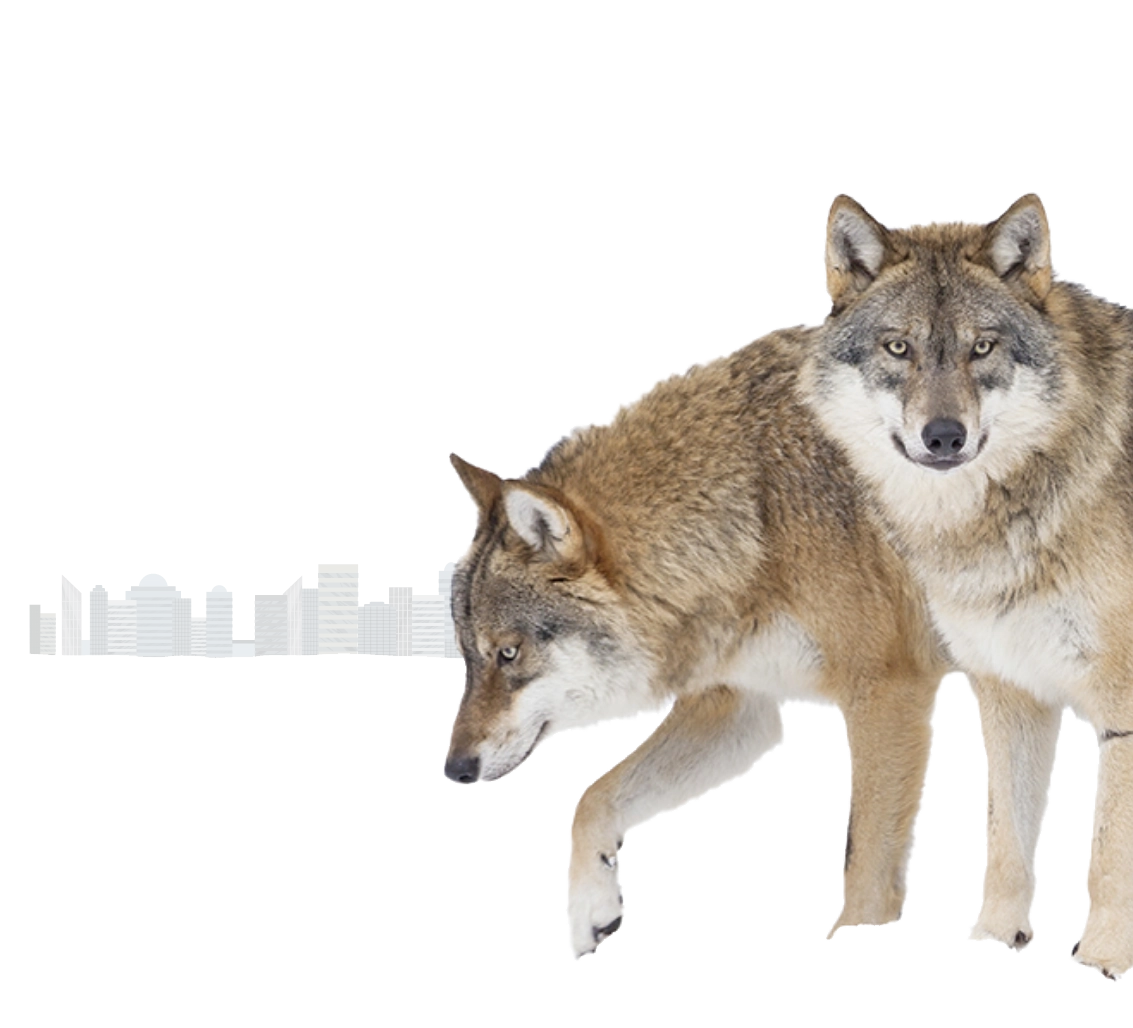
When ecological connectivity is lost, it disrupts the natural flow of life for many species.

Human & Natural Disruptors

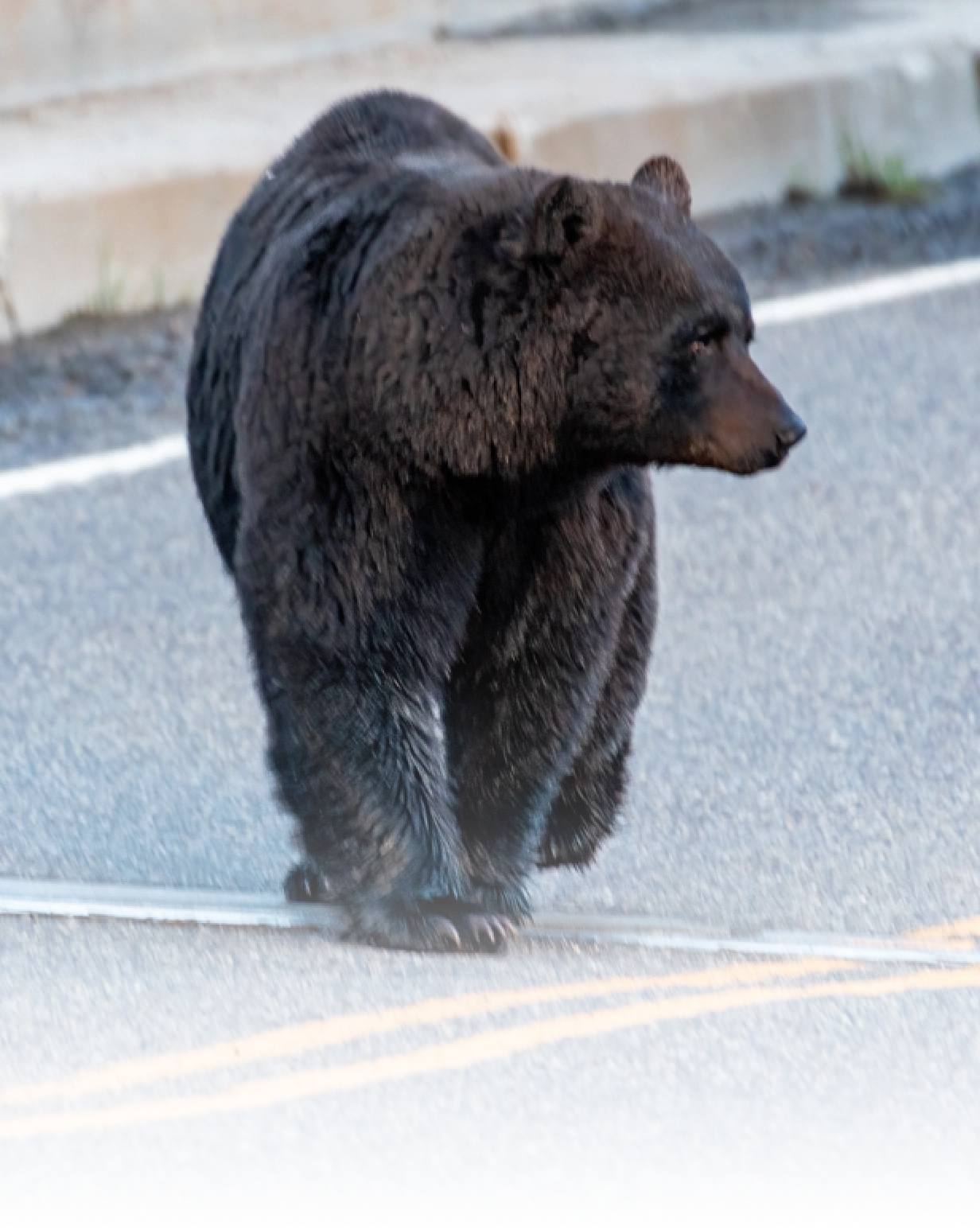
Imagine for a moment you’re an animal in the forest. Let’s say you’re a bear.

Your day consists of lumbering through woods, meadows and streams to find food, a safe place to rest and that elusive mate. Sometimes you might travel a great distance to find a new home territory, escape predators or raise your cubs.

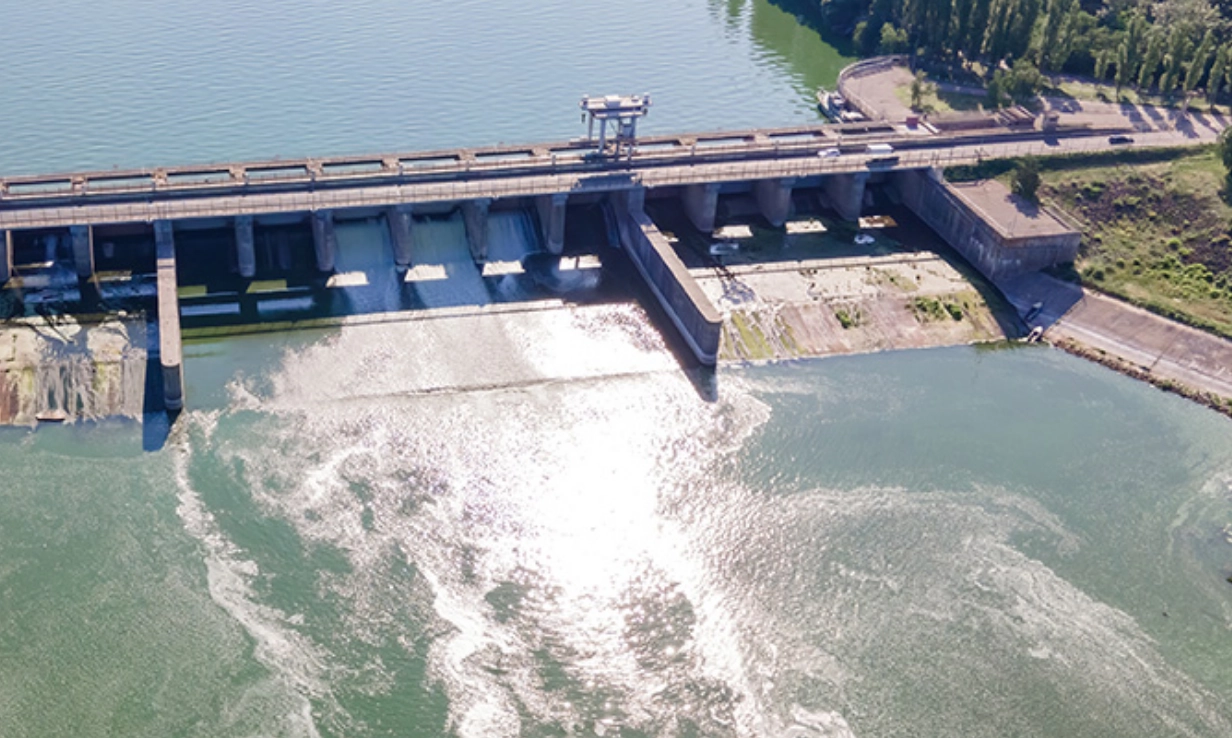
Now imagine highways cutting through your home forest. A dam that prevents salmon from reaching the river that you and generations before you have fed from. A subdivision built where your den once was. Trains racing through the lush meadow where you played with your cubs. Fences that prevent you from foraging berries.

What will you do if your world shrinks, hemmed in by human infrastructure? How will you find food, shelter and a mate? Where can you go to survive?

When habitats are fragmented, ecological connectivity is compromised, wildlife populations suffer and ecosystems become less biodiverse and ultimately less resilient to stressors. Ecosystems are also less able to perform the services humans rely on, such as pollination, supporting clean air, water and soil, and reducing the risks associated with floods and droughts.

Maintaining ecological connectivity is essential to keeping ecosystems balanced and thriving, not only for animals but also for humans.
Ecological Corridors

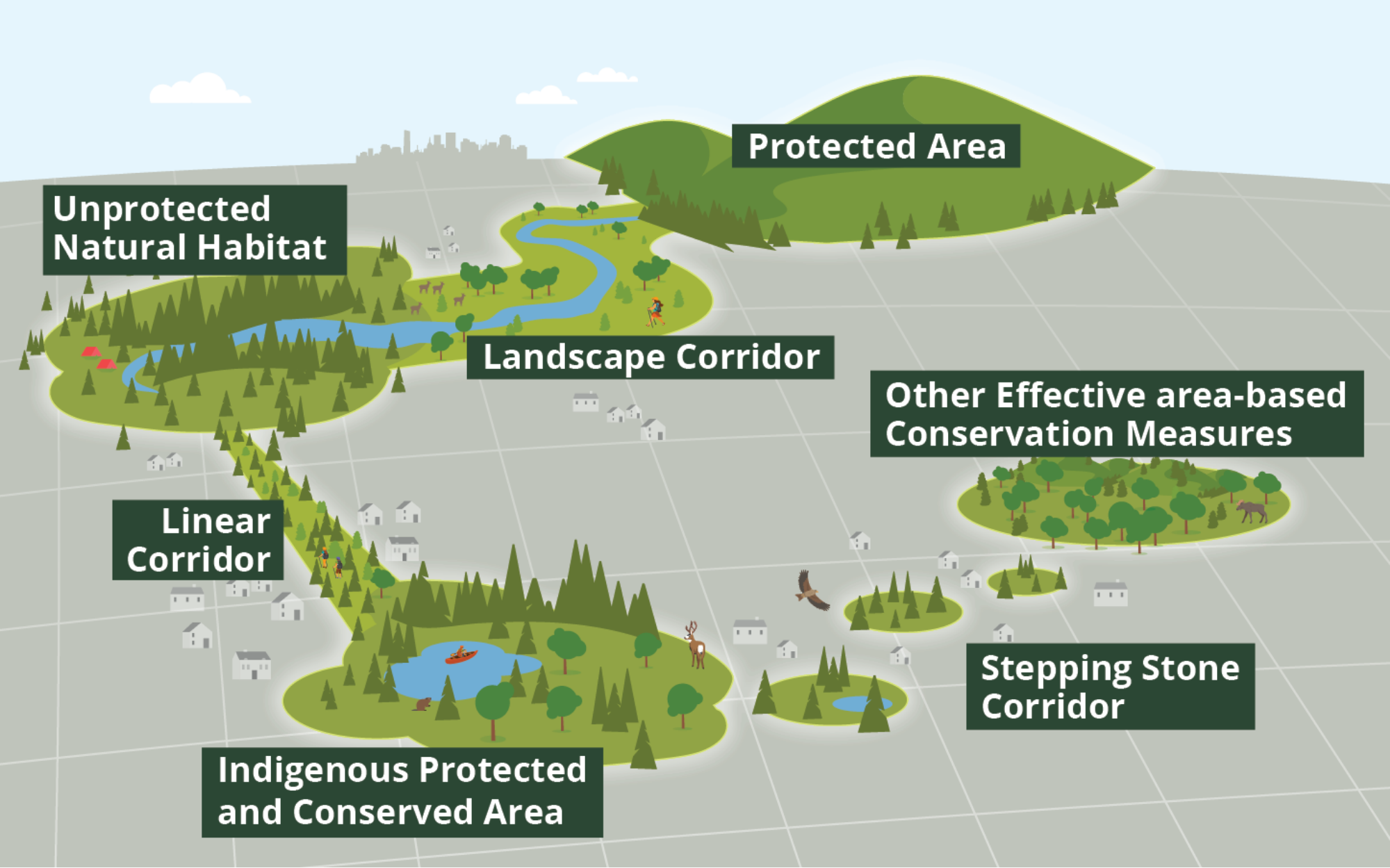
How do we restore ecological connectivity where it’s been compromised? And how do we maintain it where it exists but is threatened by development? The answer lies in ecological corridors.

Ecological corridors are passages on land or in water that connect protected areas to each other and to wild spaces to ensure connectivity — that is, the movement of species and processes (such as water flow) across the landscape.

Corridors can vary in size, from narrow strips of vegetation to vast areas of land spanning hundreds of kilometres. They are not protected areas but are managed long term by diverse groups of people, organizations, governments and Indigenous Peoples, and often encompass a combination of protected areas and private land.

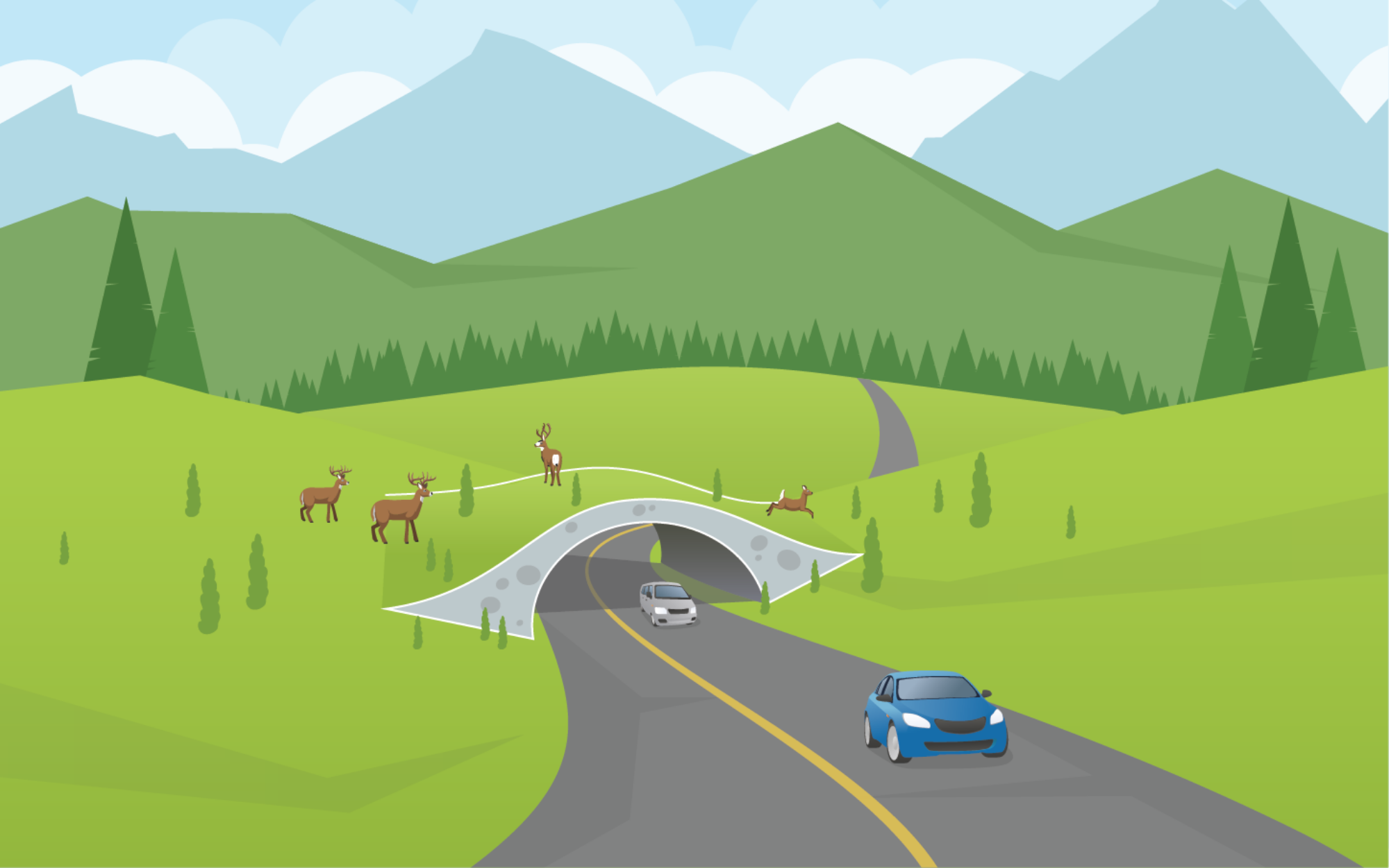
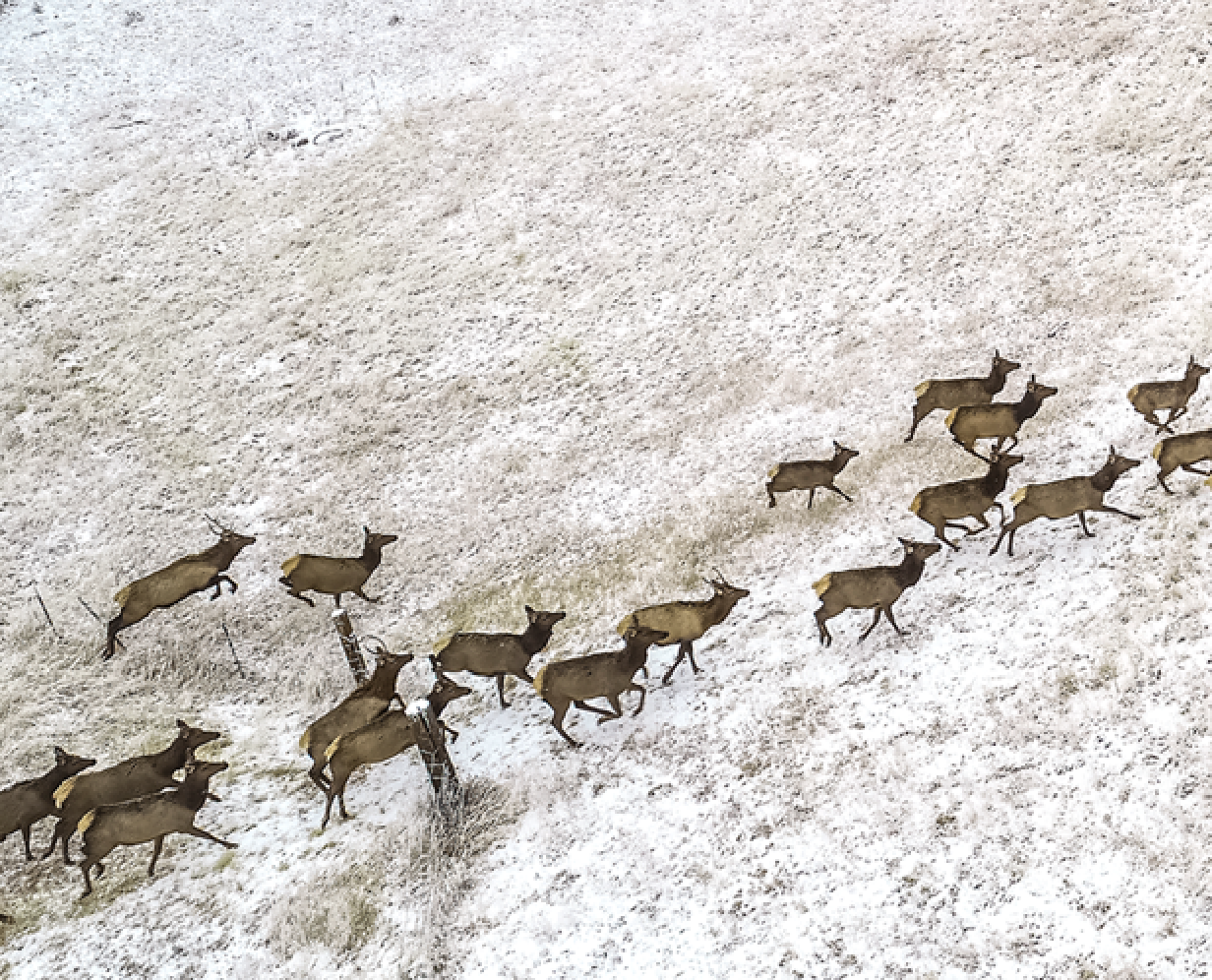
Within ecological corridors, humans have found innovative ways to help animals navigate past barriers such as barbed wire fences, culverts, dams and highways. Wildlife crossings are special overpasses or tunnels that help animals safely cross the road and reduce the risk of wildlife collisions with cars.

Restoring ecological connectivity by creating corridors limits the harmful effects of habitat fragmentation and helps species reclaim their right of passage.

Close

Privacy Policy

Thank you for your interest in our magazine and other services. Your privacy is very important to us and we believe in giving you full disclosure about the kinds of information we gather and what we do with it. We also want to give you a choice about the use of your personal information.

Personally identifiable information

This is information you may have given us specifically about who you or your gift recipients are, such as:

We may use the information in these ways:

We use your name and address (postal and/or email) in order to deliver the product, information or service you requested and to follow up with you about the transaction (i.e., send a bill, notify you that your subscription is expiring, etc.). We may also send you further information about the publication, its offers, or other products produced under its name. We use the information you provide us about others to send them your gifts of subscriptions or products.

Occasionally, our magazines or websites may make their list of customers available to other carefully screened organizations that want to let you know about a product or service that might interest you. The material to be sent to you or your gift recipient is reviewed by us before the names and addresses are released to ensure the materials are appropriate. If you wish to know what list your name came from, we will make every reasonable effort to determine the source and provide you with the information. If you would prefer for us NOT to share your information, simply inform us (see “Contact Us” below).

Your credit card number, debit card number, or banking information for pre-authorized payments is used only for processing payments and for presenting you with payment options — not for marketing purposes.

Anonymous/aggregated information

This is information that cannot identify you, such as:

Control of your information

You always have the option to instruct us not to use your name, address, e-mail address, etc. beyond providing you with the product, information or service you requested. See “Contact Us” below.

E-mail communications will always include an “Unsubscribe” option.

We regularly use the Canadian Marketing Association “do not mail/do not call” service to remove customers from marketing campaigns. To add your name to this list, see “Canadian Marketing Association” below.

Security

We make every reasonable effort to protect against the loss, misuse, and alteration of personal information under our control. Our security policies are periodically reviewed and enhanced as necessary.

Only authorized individuals and suppliers have access to customer information. Where information is sent to a third party for processing, we make sure, through our contracts with them, that all customer information is kept secure. We keep your information for the time we are providing you with a product or service, and for a reasonable time thereafter in the event that you wish to resume service.

We operate secure data networks protected by industry standard firewall and password protection systems. Credit card information is processed using industry-standard encryption and security. We do not collect personal information from bulletin boards or forums. However, we cannot guarantee that personal information voluntarily disclosed on message boards and discussion groups will not be collected and used by others, which may result in unsolicited messages to you from other parties.

Contact Us

You may contact Canadian Geographic Enterprises regarding privacy matters in any one of the following ways:

E-mail: [email protected]

Mail:
Canadian Geographic
Privacy Officer
50 Sussex Drive
Ottawa, ON
K1M 2K1

Telephone: (613) 745-4629
Fax: (613) 744-0947

Canadian Marketing Association

We are a member of the Canadian Marketing Association (CMA), and abide by its Code of Ethics and Standards of Practice, including its Internet privacy policy.

Call the CMA at 416-391-2362 or visit their online Consumer Centre for more information on inclusion in their “do not mail/do not call” lists and for comprehensive online information.

Updates

From time to time, we may update our privacy statement. Please review this policy periodically.

Copyright

No part of this website may be reproduced in any form without the express written consent of Canadian Geographic Enterprises.

Close

Contact Us

This field is for validation purposes and should be left unchanged.