



The Big Picture
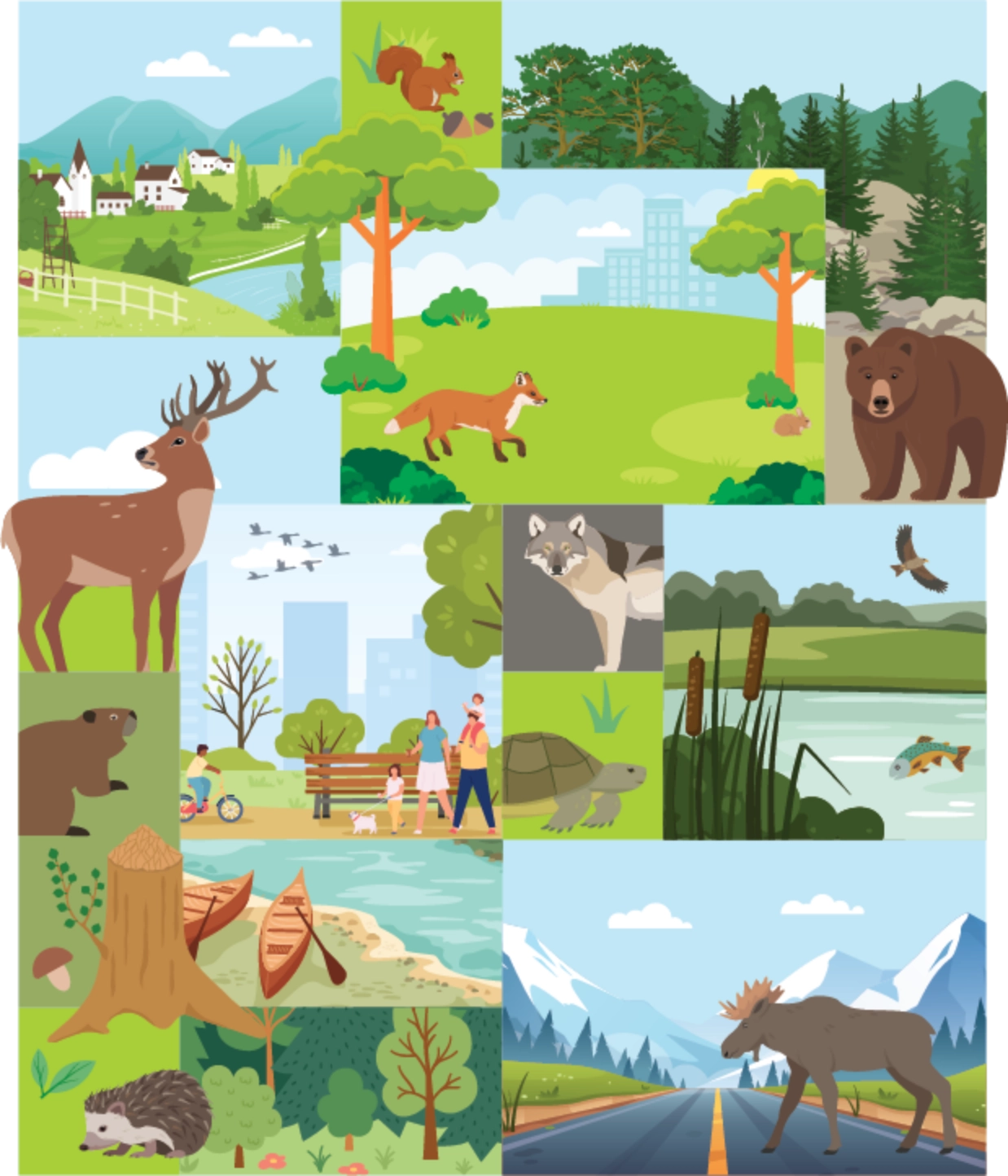
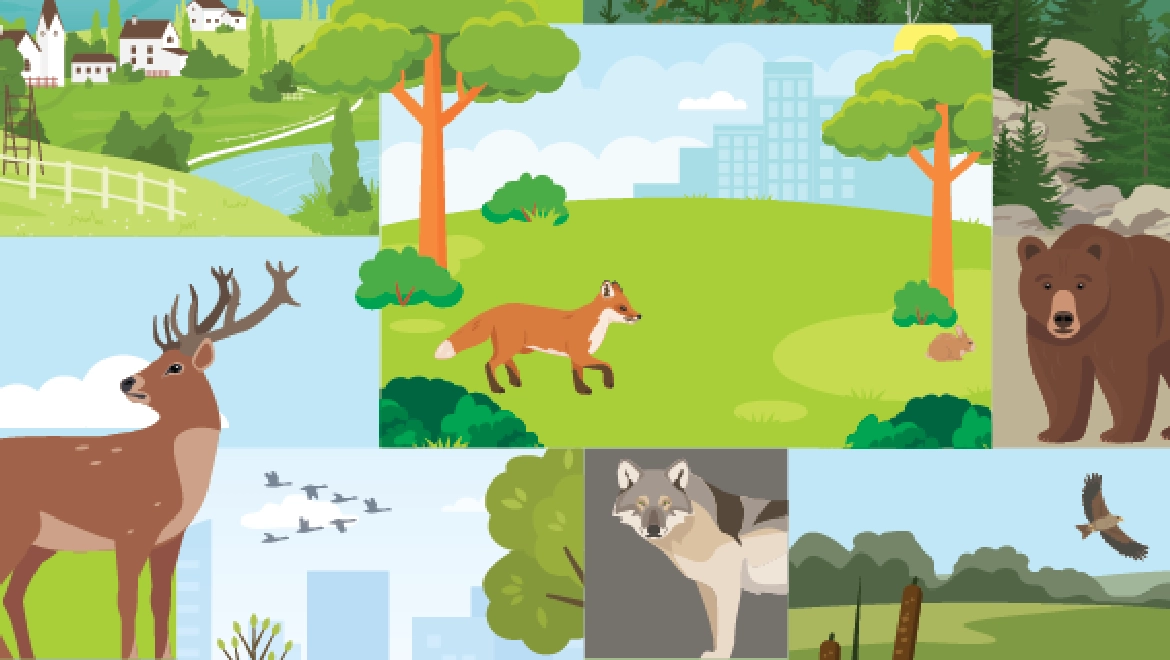
All life on Earth shares the primal and instinctual need to find food, water and shelter and to migrate, reproduce and adapt to ever-changing environments. It’s time we respect a “right of passage” for all species — by ensuring ecological connectivity.
When a landscape has a high degree of ecological connectivity, species move effortlessly with the seasons, and ecosystems are more resilient to big-picture changes. This seamless flow of life is essential for the survival of animals and plant species and is crucial to ensuring genetic diversity. Ecological connectivity fuels the planet’s biodiversity and keeps nature’s balance intact.
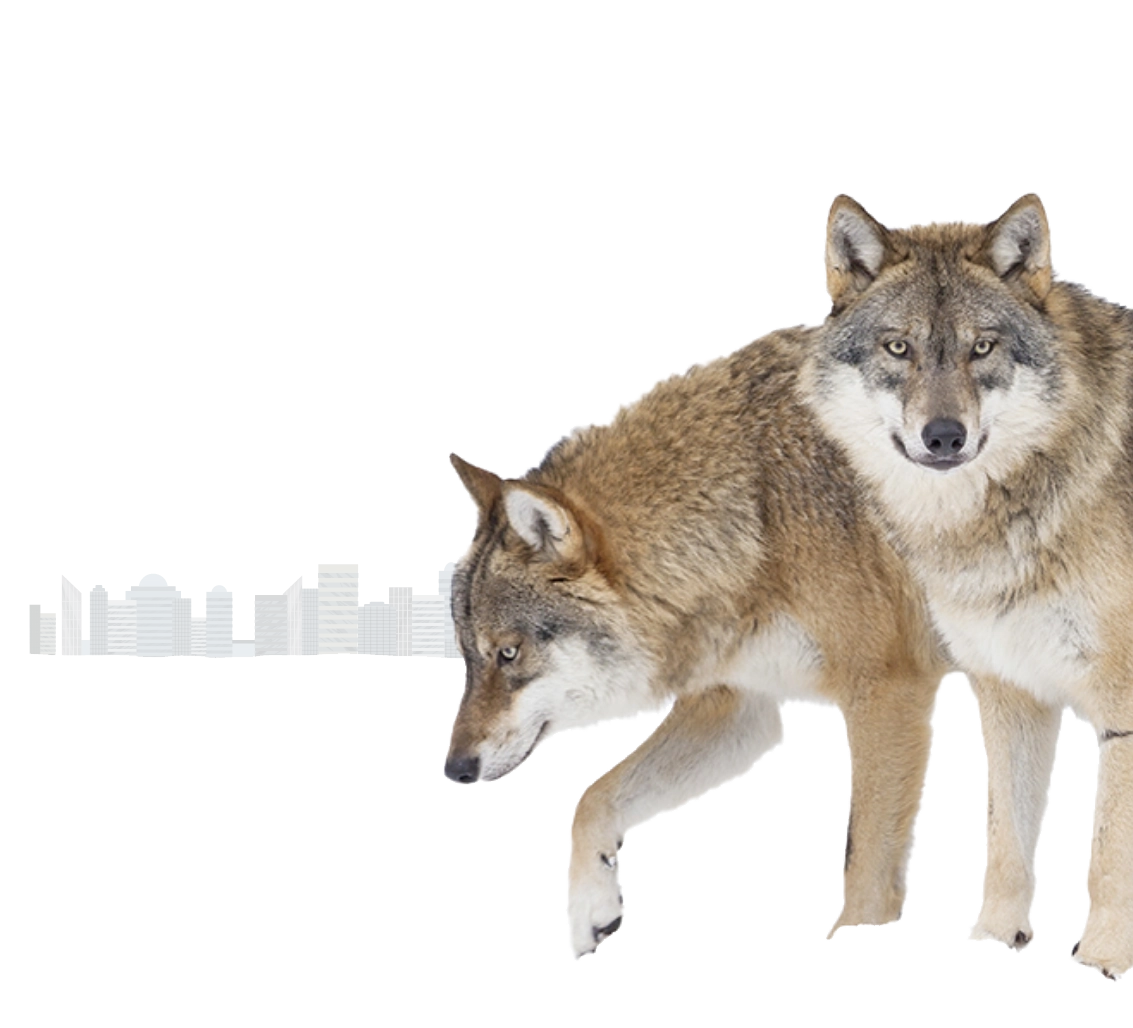
As we’ve seen, the rhythm of life begins to falter when pieces of intact habitat are altered, lost or disconnected. When ecosystems fall out of balance, the ripple effects touch every living thing.

Human & Natural Disruptors
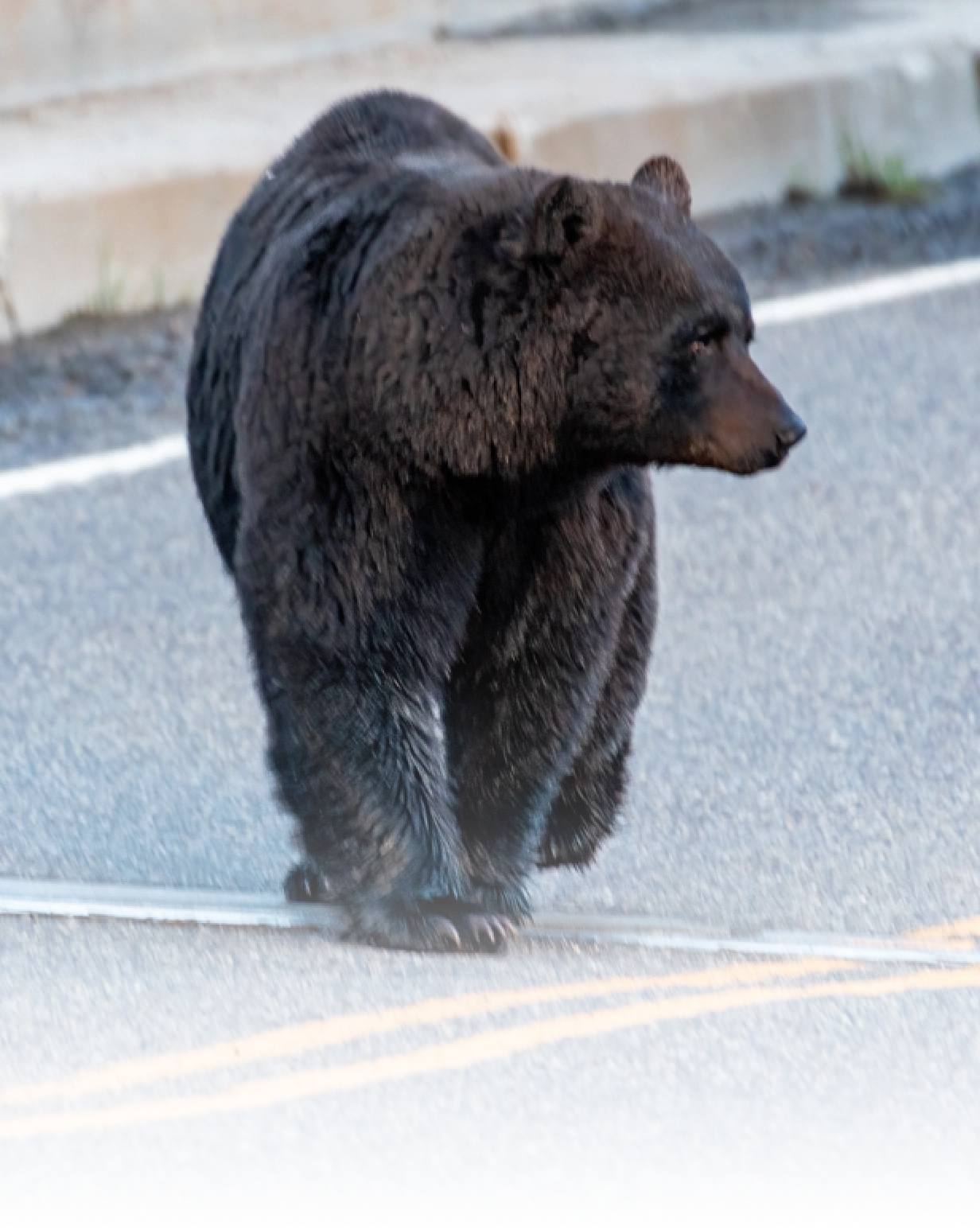
Imagine for a moment you’re an animal in the forest. Let’s say you’re a bear.
Your day consists of lumbering through woods, meadows and streams to find food, a safe place to rest and that elusive mate. Sometimes you might travel a great distance to find a new home territory, escape predators or raise your cubs.
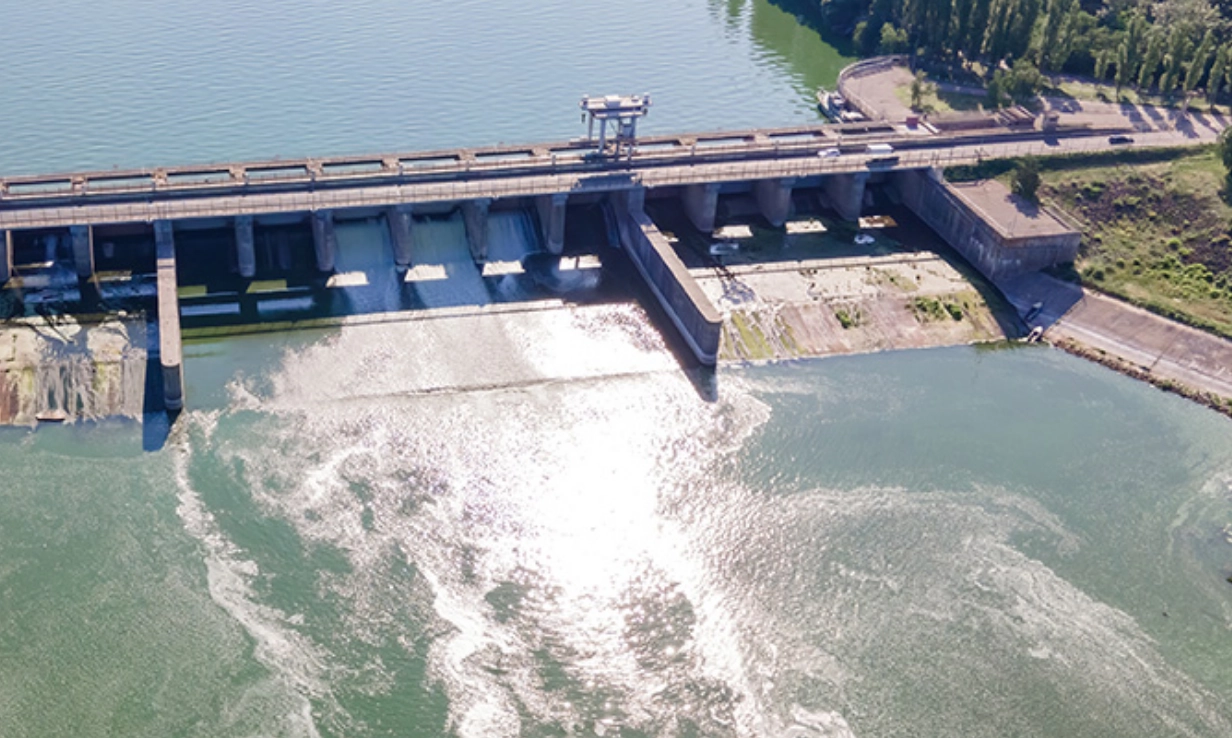
Now imagine highways cutting through your home forest. A dam that prevents salmon from reaching the river that you and generations before you have fed from. A subdivision built where your den once was. Trains racing through the lush meadow where you played with your cubs. Fences that prevent you from foraging berries.
What will you do if your world shrinks, hemmed in by human infrastructure? How will you find food, shelter and a mate? Where can you go to survive?
When habitats are fragmented, ecological connectivity is compromised, wildlife populations suffer and ecosystems become less biodiverse and ultimately less resilient to stressors. Ecosystems are also less able to perform the services humans rely on, such as pollination, supporting clean air, water and soil, and reducing the risks associated with floods and droughts.
Maintaining ecological connectivity is essential to keeping ecosystems balanced and thriving, not only for animals but also for humans.

Ecological Corridors

How do we restore ecological connectivity where it’s been compromised? And how do we maintain it where it exists but is threatened by development? The answer lies in ecological corridors.
Ecological corridors are passages on land or in water that connect protected areas to each other and to wild spaces to ensure connectivity — that is, the movement of species and processes (such as water flow) across the landscape.
Corridors can vary in size, from narrow strips of vegetation to vast areas of land spanning hundreds of kilometres. They are not protected areas but are managed long term by diverse groups of people, organizations, governments and Indigenous Peoples, and often encompass a combination of protected areas and private land.
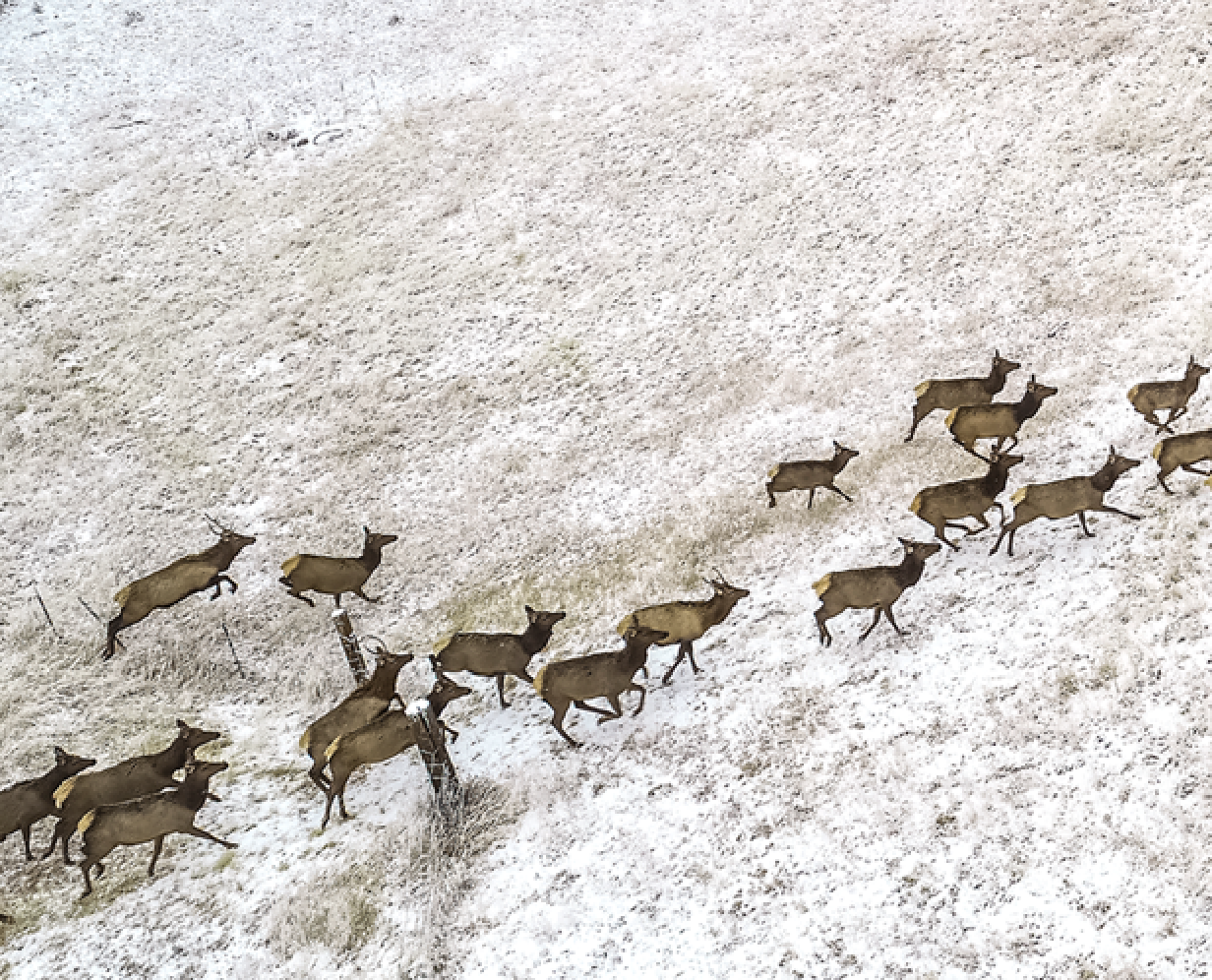
Within ecological corridors, humans have found innovative ways to help animals navigate past barriers such as barbed wire fences, culverts, dams and highways. Wildlife crossings are special overpasses or tunnels that help animals safely cross the road and reduce the risk of wildlife collisions with cars.
Restoring ecological connectivity by creating corridors limits the harmful effects of habitat fragmentation and helps species reclaim their right of passage.

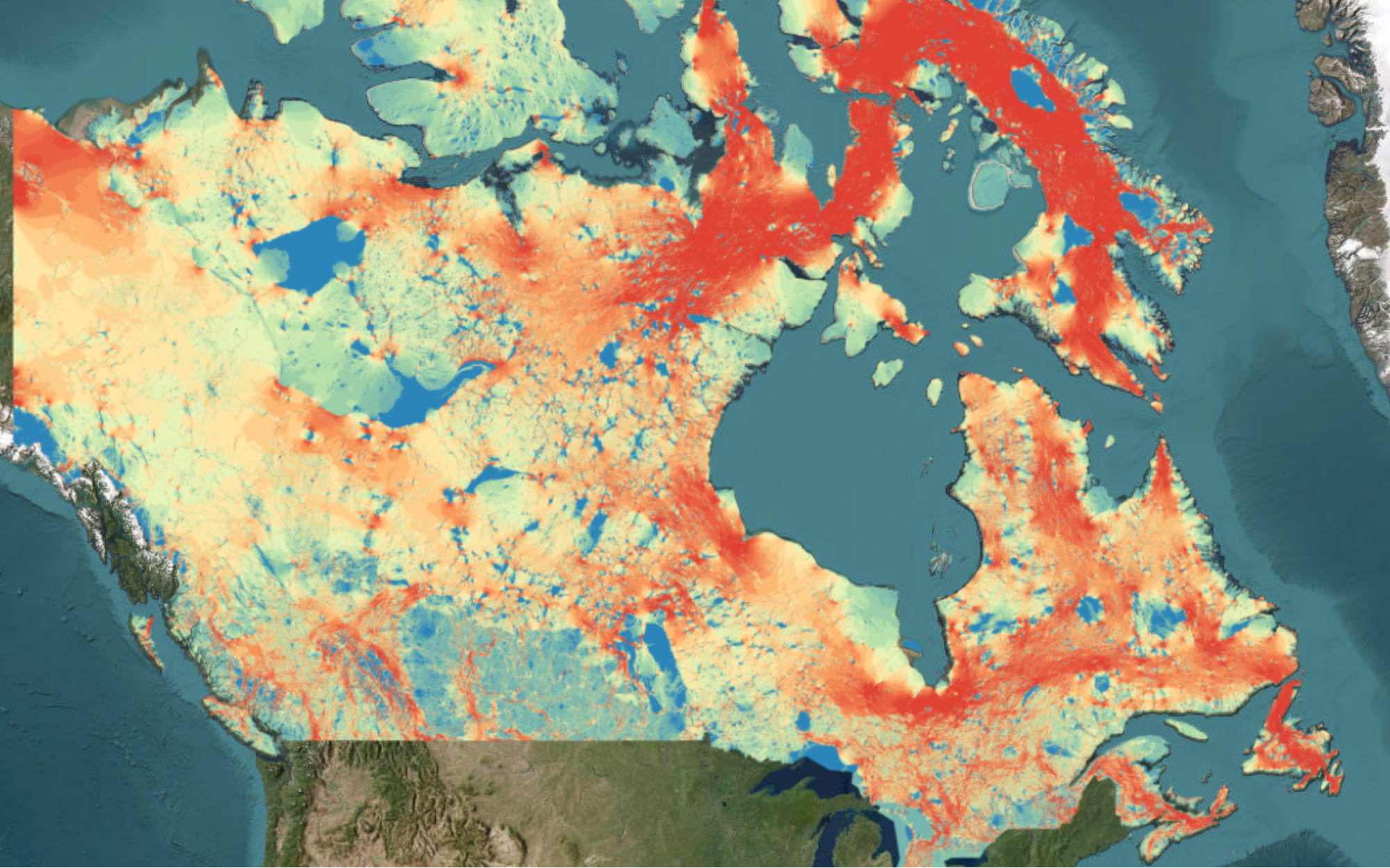
Ecological Connectivity
Relative measure of the “probability of movement”

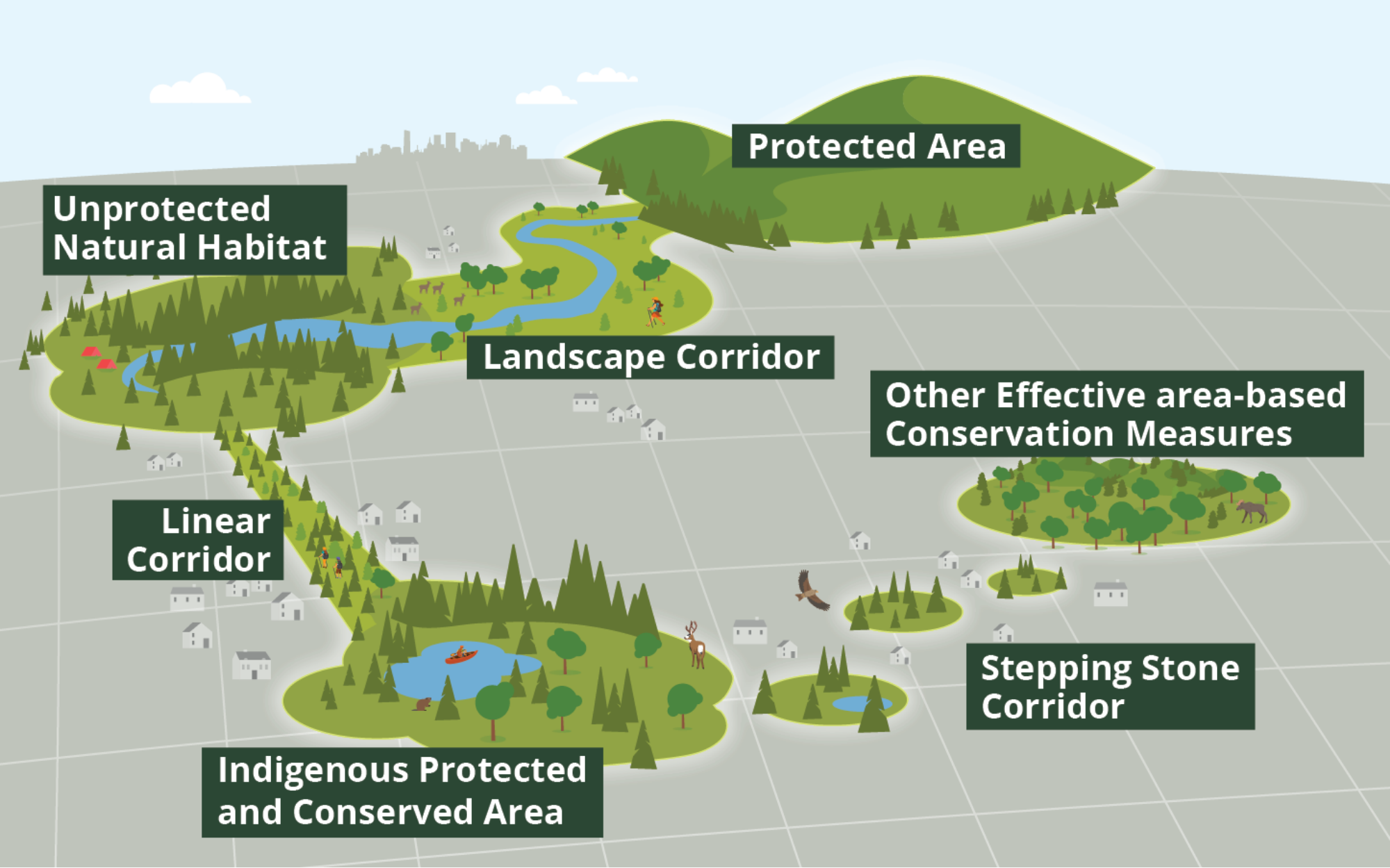
Ecological Corridor
Area-based conservation approach
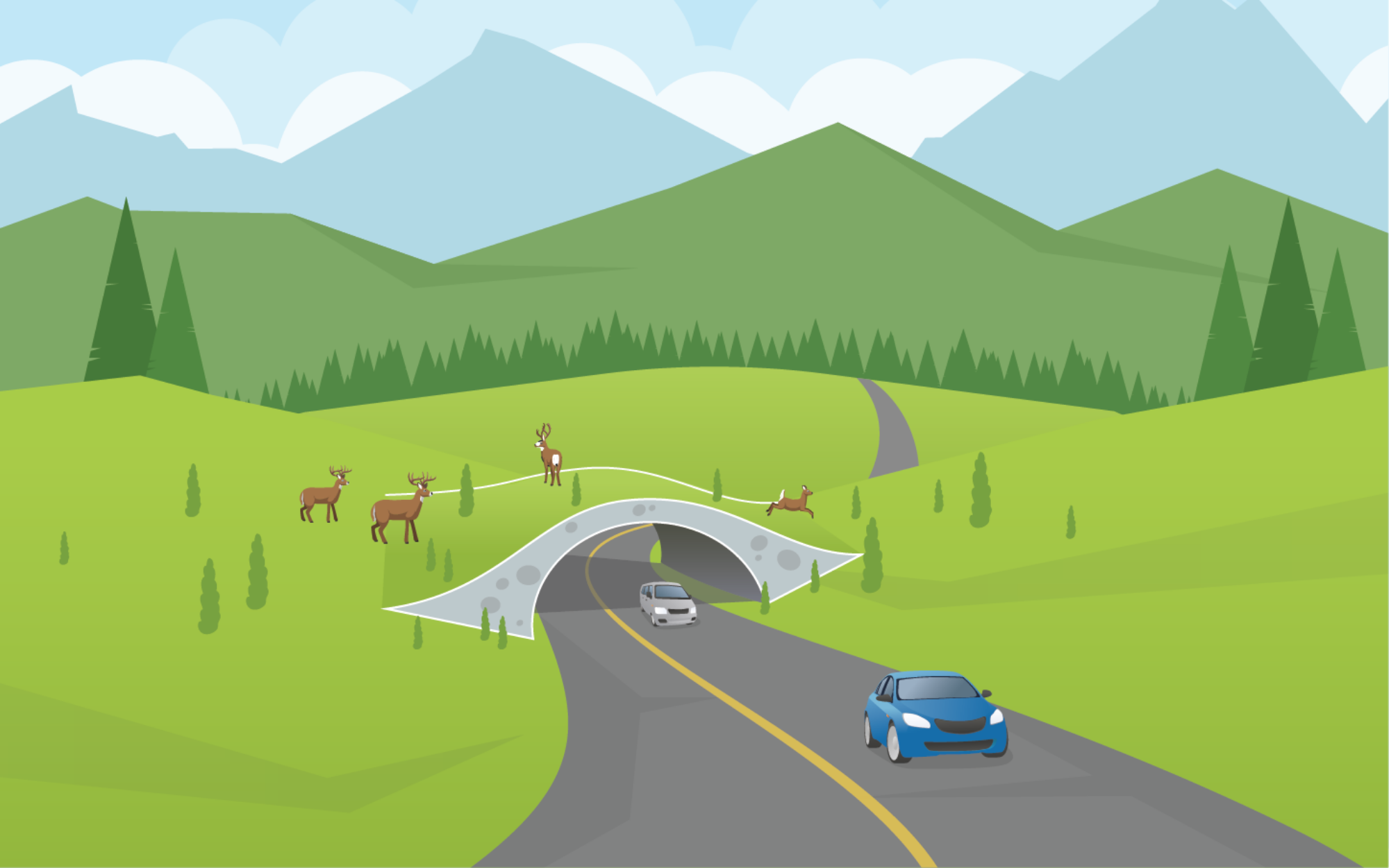
Wildlife Crossing
Management action